
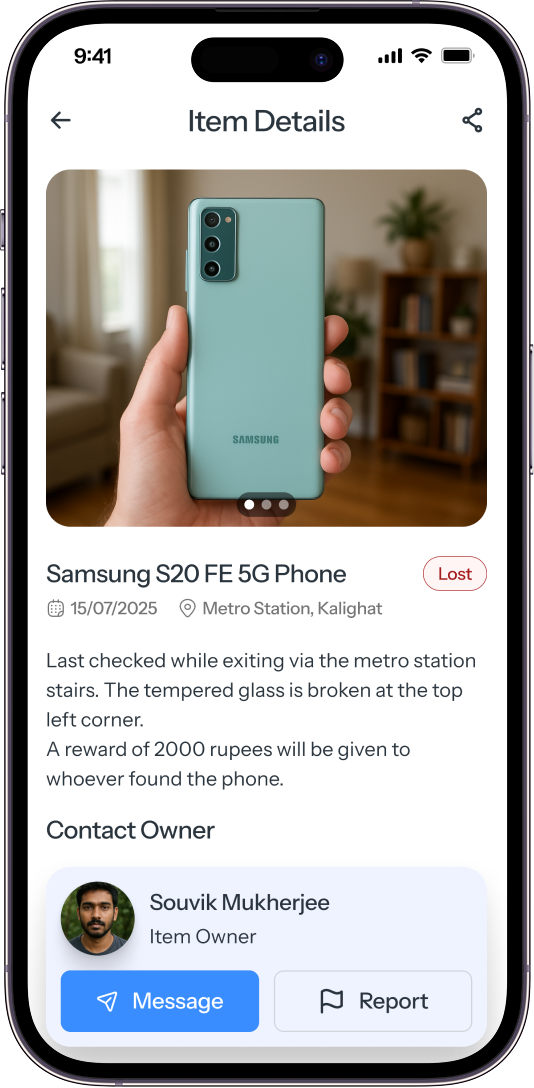
Context
Helping people recover their lost items that have memories or emotions attached to them without adding more stress.
My Role
UI/UX Designer
Timeline
2 months
Tools
Figma
FOUNDLY is a lost-and-found experience designed for moments of panic. Fast reporting, and a calm interface that helps people act instead of freeze.
The Gap
People Don’t Report Most Lost Items
- Only expensive items get reported to police.
- Sentimental items are ignored.
- Recovery through authorities is uncertain.
So people stop trying.
Instead they post in:
- Local News
Posts get buried. No structure. No system.
That’s the gap Foundly addresses.
The Goal
Design a mobile app that:
- Makes reporting frictionless.
- Encourages emotional item reporting.
- Connects finders and owners directly.
- Uses location intelligence to help government aware of the highly theft area.
Simple objective. System-level execution.

discover
Product Thinking
Before designing screens, I focused on behavior.
- Why don’t people report small items?
- What creates hesitation?
- How do we prevent duplicate posts?
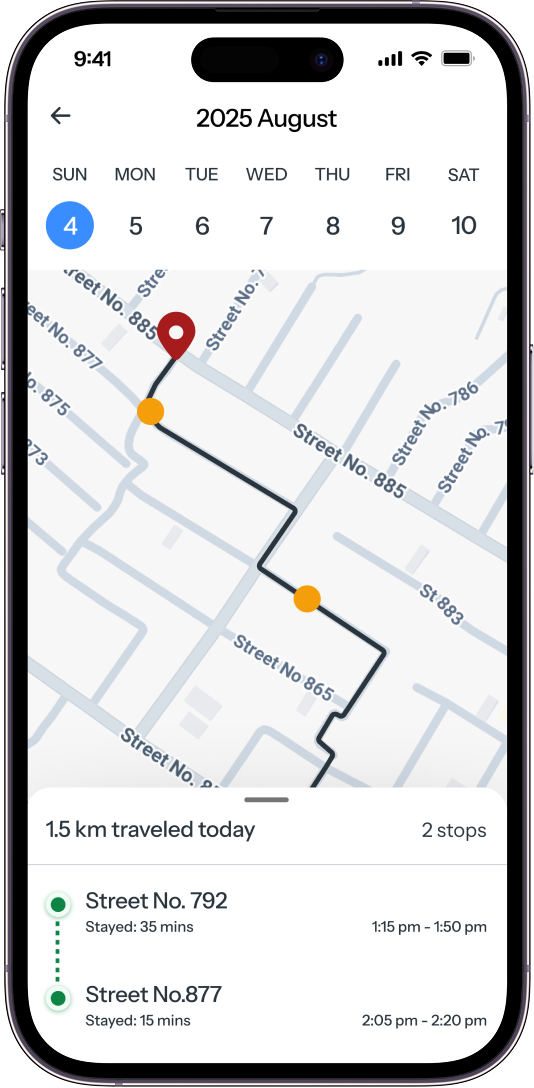
- Can location history help retrace steps?
Foundly is not a listing app. It’s a recovery mechanism.
Hypotheses Derived
Assumptions I Wanted to Validate
- People avoid reporting small items because the effort feels higher than the expected result.
- Unstructured platforms reduce visibility and recovery probability.
- Location-based intelligence can increase recovery chances.
Validating Assumptions Through User Interviews
Participants
3 people
Daily commuters
Students + office workers
Questions I asked
- What did you do when you lost something?
- Did you report it?
- Where did you report it?
- Why didn’t you report it?
- What challenges did you face in reporting or returning?
- What would have made things easier for you?
Insights I gained
- Reporting feels useless.
- Posting feels temporary
- Emotional items hurt more than expensive ones
- People give up quickly
- Police stations are not optimized for smaller or everyday lost/found items.
Synthesis
Persona’s
Primary Persona
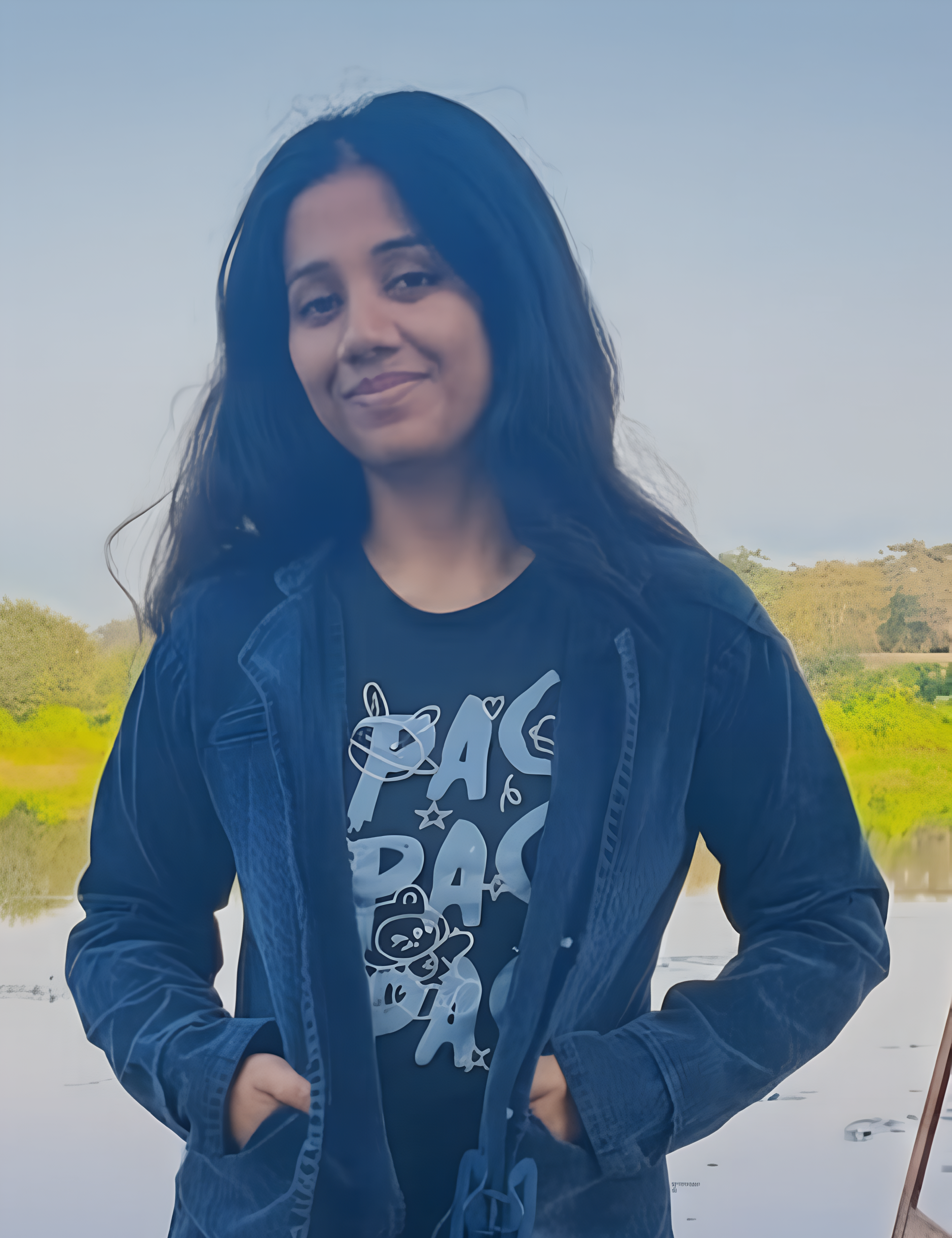
SNEHA DAKUA
26 - CONTENT WRITER
Context: Losses her bracelet during a busy workday commute.
Goal: Recover her item quickly with minimal friction.
Emotional State: Anxious - Restless - Hope fades over time
Frustrations:
- Doesn’t know where reporting will actually help.
- Manual reporting processes take too much time and energy.
- No visibility into progress after reporting.
- Emotionally draining experience with wasted effort.
Behaviors:
- Retraces steps physically before reporting.
- Tries social media before formal systems.
- Keeps hoping someone will contact her.
- Gives up after 24–48 hours without signals.
Needs:
- Fast reporting with minimal effort.
- Transparent updates about the search progress.
Secondary Persona
BIBEK GOSWAMI
28 - ACCOUNTANT
Context: Finds a bracelet at a park.
Goal: Return the item safely, quickly, and without hassle.
Emotional State: Helpful - Cautious - Hesitant
Frustrations:
- Doesn’t know the right steps after finding an item.
- No standardized system for reporting found belongings.
- Doesn’t want police or lengthy procedures.
Behaviors:
- Waits before acting.
- Avoids meeting strangers alone.
- Prefers minimal interaction.
- Asks friends what to do.
Needs:
- Simple “Report Found Item” flow.
- Ability to upload photos, location, and details quickly.
- Secure way to chat with owners and verify ownership.
Structuring the Solution
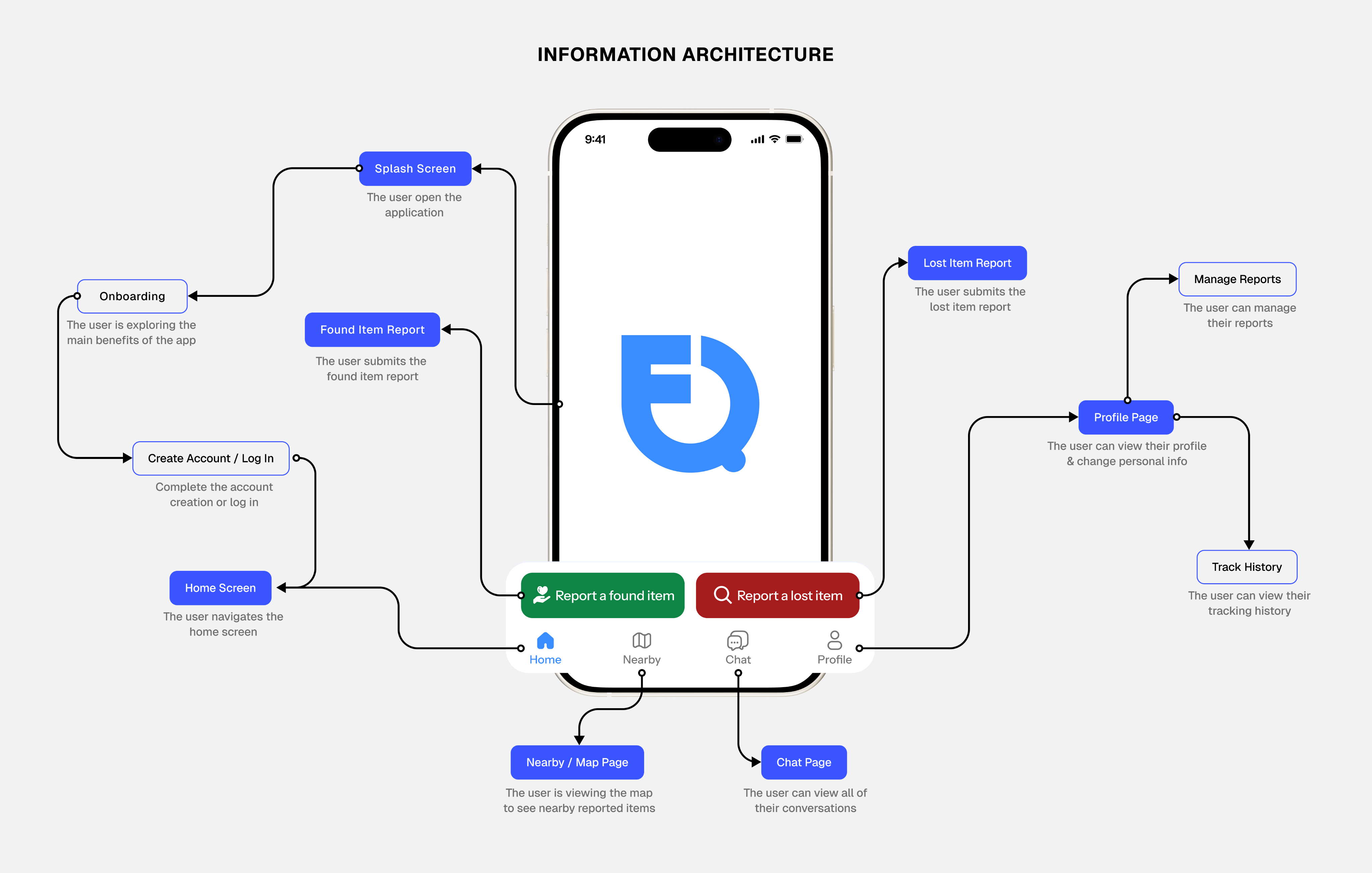
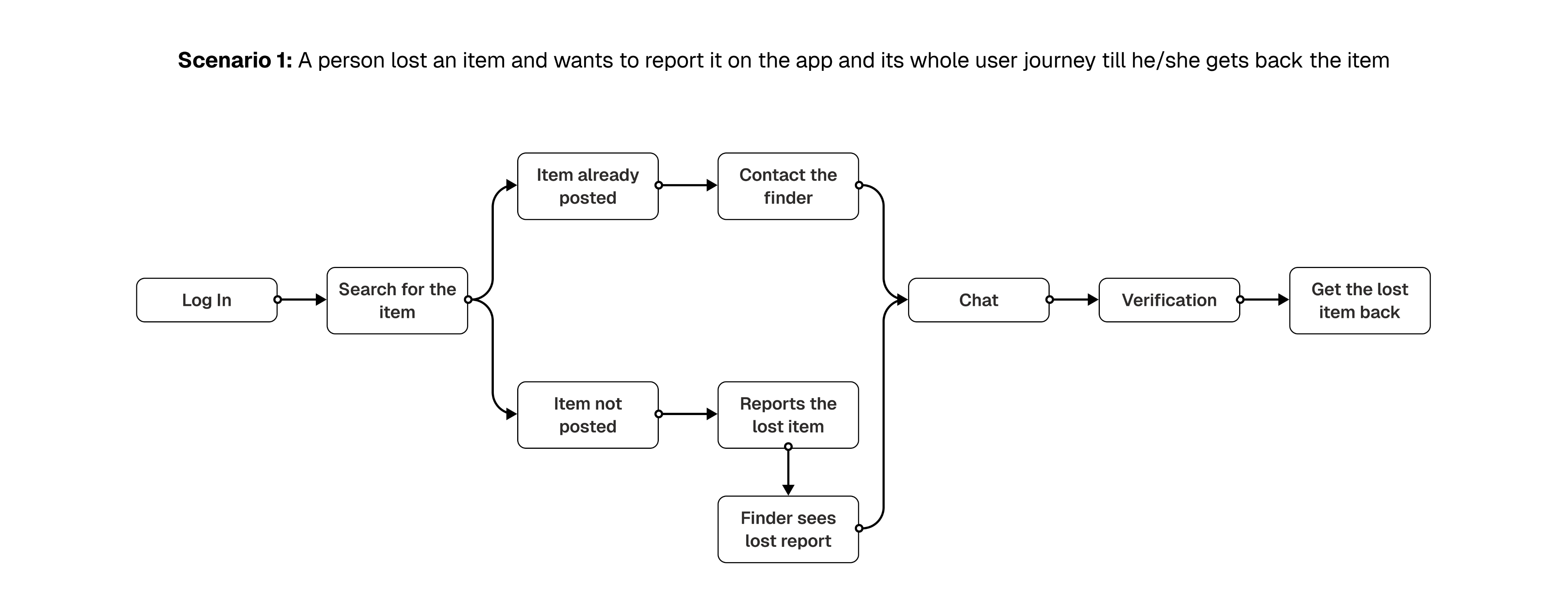
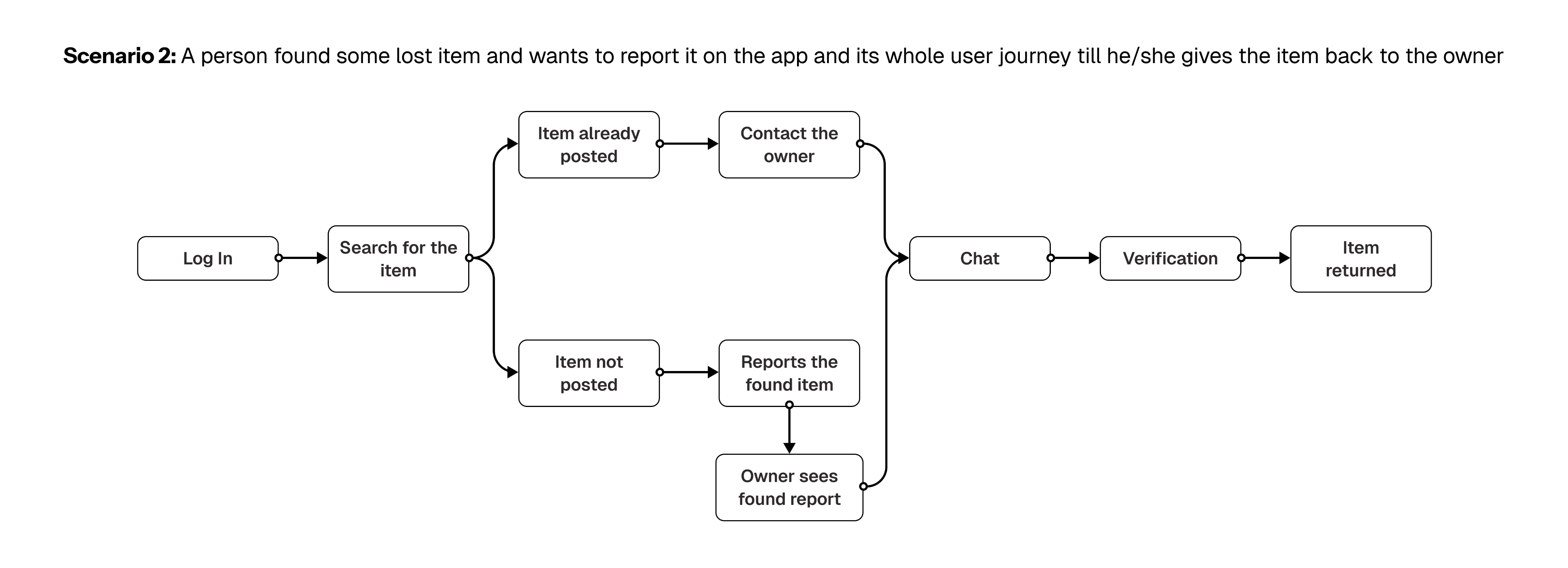
User Flows
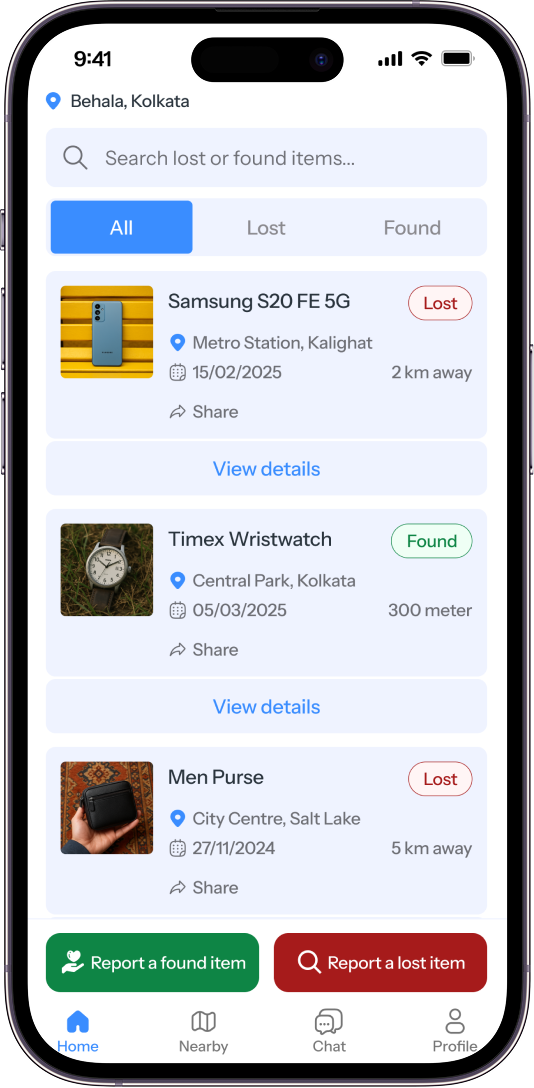
Screen 1: Home/Opportunities
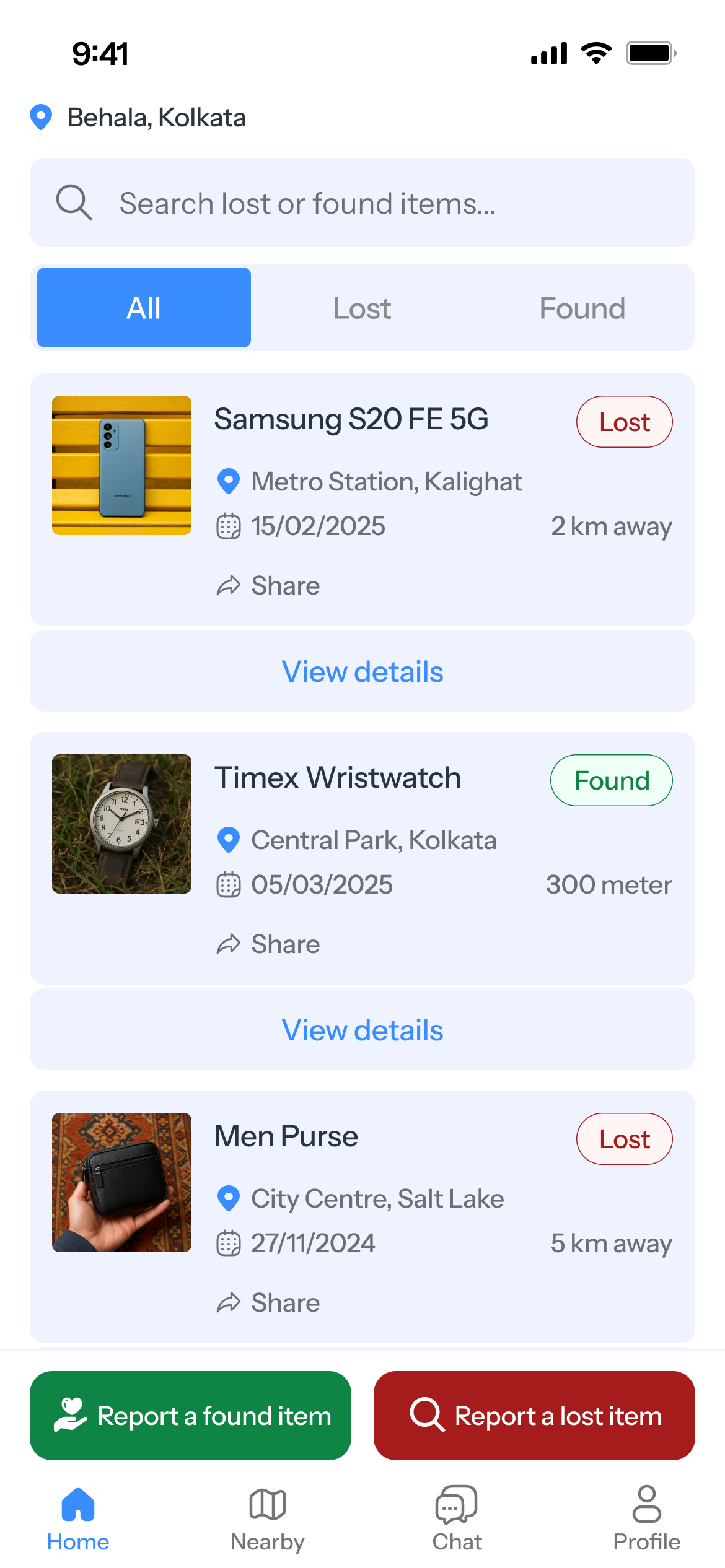
Toggle option for All, Lost, & Found items.


Context
Helping people recover their lost items that have memories or emotions attached to them without adding more stress.
My Role
UI/UX Designer
Timeline
2 months
Tools
Figma
FOUNDLY is a lost-and-found experience designed for moments of panic. Fast reporting, and a calm interface that helps people act instead of freeze.
The Gap
People Don’t Report Most Lost Items
- Only expensive items get reported to police.
- Sentimental items are ignored.
- Recovery through authorities is uncertain.
So people stop trying.
Instead they post in:
- Local News
Posts get buried. No structure. No system.
That’s the gap Foundly addresses.
The Goal
Design a mobile app that:
- Makes reporting frictionless.
- Encourages emotional item reporting.
- Connects finders and owners directly.
- Uses location intelligence to help government aware of the highly theft area.
Simple objective. System-level execution.
discover
Product Thinking
Before designing screens, I focused on behavior.
- Why don’t people report small items?
- What creates hesitation?
- How do we prevent duplicate posts?
- Can location history help retrace steps?
Foundly is not a listing app. It’s a recovery mechanism.
Hypotheses Derived
Assumptions I Wanted to Validate
- People avoid reporting small items because the effort feels higher than the expected result.
- Unstructured platforms reduce visibility and recovery probability.
- Location-based intelligence can increase recovery chances.
Validating Assumptions Through User Interviews
Participants
3 people
Daily commuters
Students + office workers
Questions I asked
- What did you do when you lost something?
- Did you report it?
- Where did you report it?
- Why didn’t you report it?
- What challenges did you face in reporting or returning?
- What would have made things easier for you?
Insights I gained
- Reporting feels useless.
- Posting feels temporary
- Emotional items hurt more than expensive ones
- People give up quickly
- Police stations are not optimized for smaller or everyday lost/found items.
Synthesis
Persona’s
Primary Persona
SNEHA DAKUA
26 - CONTENT WRITER
Context: Losses her bracelet during a busy workday commute.
Goal: Recover her item quickly with minimal friction.
Emotional State: Anxious - Restless - Hope fades over time
Frustrations:
- Doesn’t know where reporting will actually help.
- Manual reporting processes take too much time and energy.
- No visibility into progress after reporting.
- Emotionally draining experience with wasted effort.
Behaviors:
- Retraces steps physically before reporting.
- Tries social media before formal systems.
- Keeps hoping someone will contact her.
- Gives up after 24–48 hours without signals.
Needs:
- Fast reporting with minimal effort.
- Transparent updates about the search progress.
Secondary Persona
BIBEK GOSWAMI
28 - ACCOUNTANT
Context: Finds a bracelet at a park.
Goal: Return the item safely, quickly, and without hassle.
Emotional State: Helpful - Cautious - Hesitant
Frustrations:
- Doesn’t know the right steps after finding an item.
- No standardized system for reporting found belongings.
- Doesn’t want police or lengthy procedures.
Behaviors:
- Waits before acting.
- Avoids meeting strangers alone.
- Prefers minimal interaction.
- Asks friends what to do.
Needs:
- Simple “Report Found Item” flow.
- Ability to upload photos, location, and details quickly.
- Secure way to chat with owners and verify ownership.
Structuring the Solution
User Flows
Screen 1: Home/Opportunities
Toggle option for All, Lost, & Found items.
Context
Helping people recover their lost items that have memories or emotions attached to them without adding more stress.
My Role
UI/UX Designer
Timeline
2 months
Tools
Figma
FOUNDLY is a lost-and-found experience designed for moments of panic. Fast reporting, and a calm interface that helps people act instead of freeze.
The Gap
People Don’t Report Most Lost Items
- Only expensive items get reported to police.
- Sentimental items are ignored.
- Recovery through authorities is uncertain.
So people stop trying.
Instead they post in:
- Local News
Posts get buried. No structure. No system.
That’s the gap Foundly addresses.
The Goal
Design a mobile app that:
- Makes reporting frictionless.
- Encourages emotional item reporting.
- Connects finders and owners directly.
- Uses location intelligence to help government aware of the highly theft area.
Simple objective. System-level execution.
discover
Product Thinking
Before designing screens, I focused on behavior.
- Why don’t people report small items?
- What creates hesitation?
- How do we prevent duplicate posts?
- Can location history help retrace steps?
Foundly is not a listing app. It’s a recovery mechanism.
Hypotheses Derived
Assumptions I Wanted to Validate
- People avoid reporting small items because the effort feels higher than the expected result.
- Unstructured platforms reduce visibility and recovery probability.
- Location-based intelligence can increase recovery chances.
Validating Assumptions Through User Interviews
Participants
3 people
Daily commuters
Students + office workers
Questions I asked
- What did you do when you lost something?
- Did you report it?
- Where did you report it?
- Why didn’t you report it?
- What challenges did you face in reporting or returning?
- What would have made things easier for you?
Insights I gained
- Reporting feels useless.
- Posting feels temporary
- Emotional items hurt more than expensive ones
- People give up quickly
- Police stations are not optimized for smaller or everyday lost/found items.
Synthesis
Persona’s
Primary Persona
SNEHA DAKUA
26 - CONTENT WRITER
Context: Losses her bracelet during a busy workday commute.
Goal: Recover her item quickly with minimal friction.
Emotional State: Anxious - Restless - Hope fades over time
Frustrations:
- Doesn’t know where reporting will actually help.
- Manual reporting processes take too much time and energy.
- No visibility into progress after reporting.
- Emotionally draining experience with wasted effort.
Behaviors:
- Retraces steps physically before reporting.
- Tries social media before formal systems.
- Keeps hoping someone will contact her.
- Gives up after 24–48 hours without signals.
Needs:
- Fast reporting with minimal effort.
- Transparent updates about the search progress.
Secondary Persona
BIBEK GOSWAMI
28 - ACCOUNTANT
Context: Finds a bracelet at a park.
Goal: Return the item safely, quickly, and without hassle.
Emotional State: Helpful - Cautious - Hesitant
Frustrations:
- Doesn’t know the right steps after finding an item.
- No standardized system for reporting found belongings.
- Doesn’t want police or lengthy procedures.
Behaviors:
- Waits before acting.
- Avoids meeting strangers alone.
- Prefers minimal interaction.
- Asks friends what to do.
Needs:
- Simple “Report Found Item” flow.
- Ability to upload photos, location, and details quickly.
- Secure way to chat with owners and verify ownership.
Structuring the Solution
User Flows
Screen 1: Home (Feature Explanation)
Toggle option for All, Lost, & Found items.
Item details card includes - Item Image, Name, Status, Place, Date, Share, Distance.
2 CTA buttons for Lost & Found Item.
